Freelancing Facts
July 12, 2017 Leave a comment

For Whom Wealth Matters
January 3, 2017 Leave a comment
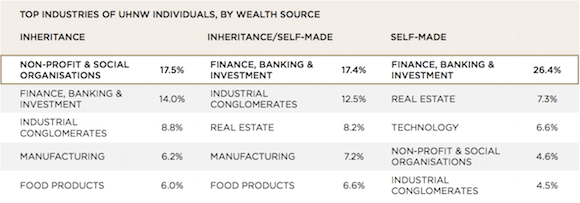
 So who are the businesses wealthymatters competes with ?
The screen-shot below speaks for itself :

This is the position at the beginning of 2017. Let’s see how much further I can go this year.
BTW gawker is closing down already due to adverse judgements in lawsuits.
November 11, 2016 Leave a comment
 Wholesale laundering happens when seasoned chartered accountants and money market brokers bring together two kinds of people: one, with excess, unexplained cash and the other having a shortage of it.The latter are small firms whose books show large `cash on hand’ but actually hold very little physical cash.These are companies which have spent their earnings and fund withdrawals from banks for personal uses, bribes, and commissions expenses that are not reflected in their books of accounts.Though their books show `cash in hand’ they don’t really have the cash as it has been used in activities that is difficult to account for.They are the perfect match for people and businesses who are looking for avenues to salvage their hidden bills of Rs500 and Rs1,000 these days. If the stakes are high, a few companies with sizeable ‘cash on hand’ in their balance-sheets, may even be acquired by those with large undeclared funds.Such deals would go on till December 31, the dead line for exchanging and depositing Rs500 and Rs1,000 notes with banks.
Here’s how it works Read more of this post








 wealthymatters