Making Blockchain Technology In Life Insurance Work For You
June 19, 2019 Leave a comment
 Back in April 2018, when I read the press release from Cognizant about having teamed up with a consortium of fifteen Indian life insurers and developed a blockchain solution to facilitate cross-company data-sharing to help these life insurers reduce their reliance on data intermediaries and aggregators in obtaining customer and policy details for a wide range of critical purposes, such as know-your-customer due diligence, financial and medical underwriting, risk assessment, fraud detection, and regulatory compliance, I was FURIOUS.
Why?
You see, I am a long-standing customer of 2 of these 15 life insurance companies. One of them was the company I made my very first purchase from all those years ago, on the recommendation of a banker I trusted. And at that time I had in all honesty made full disclosure of all the information they sought in their proposal forms and the additional queries their underwriters had. However, I made the disclosures for the limited purpose of purchasing specific policies from these companies. And at a time that block-chain was nowhere in anybody’s mind space. Read more of this post
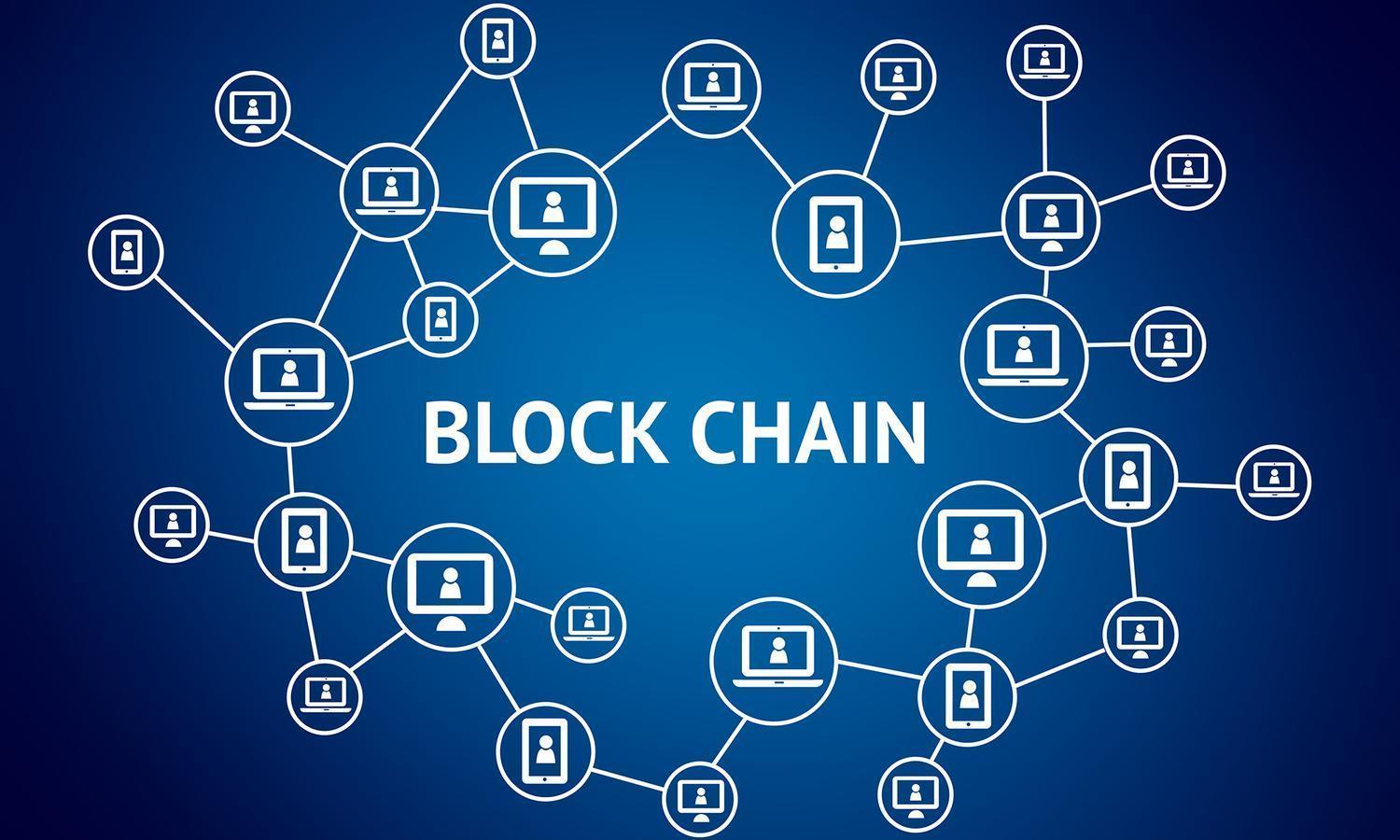
 Blockchain is a shared, distributed ledger with non-repudiation of transactions that can work in the absence of trust across a peer-to-peer network. Blockchain technology has the capacity to deliver wide-ranging benefits to humanity that are obfuscated by the charged debates on cryptocurrencies these days. Applied to insurance,blockchain technology opens the door to many positive developments for consumers,such as:
  Many years into the deployment of the internet, many believed that it was still a fad. Since then, the internet has become a major part on our lives, from how we buy goods and services, to the ways we network and how we participate in the political system.There are many parallels between this and cryptocurrencies and blockchains today:






 wealthymatters